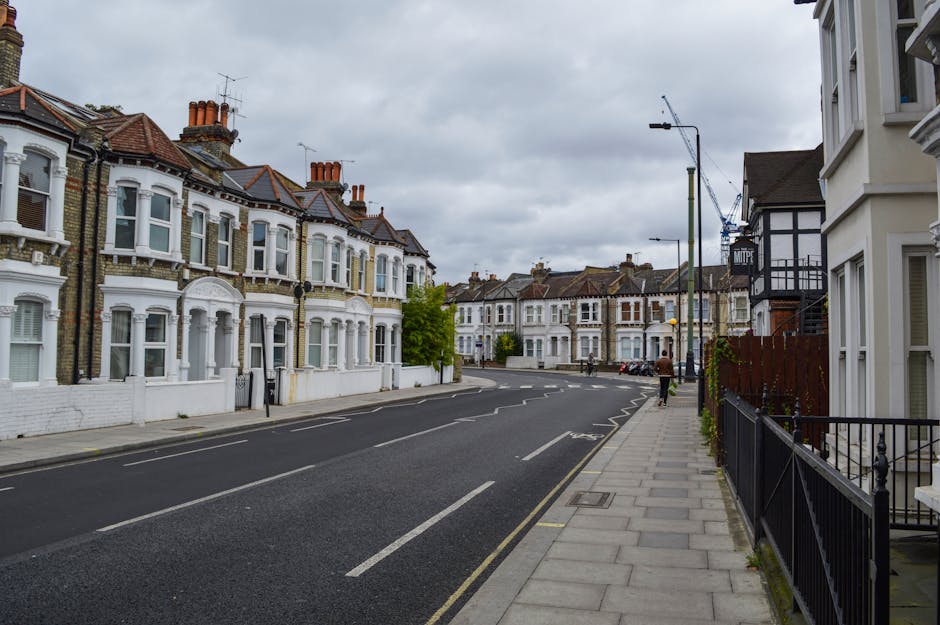
Stockwell rubbish removal guide for Clapham Road homes
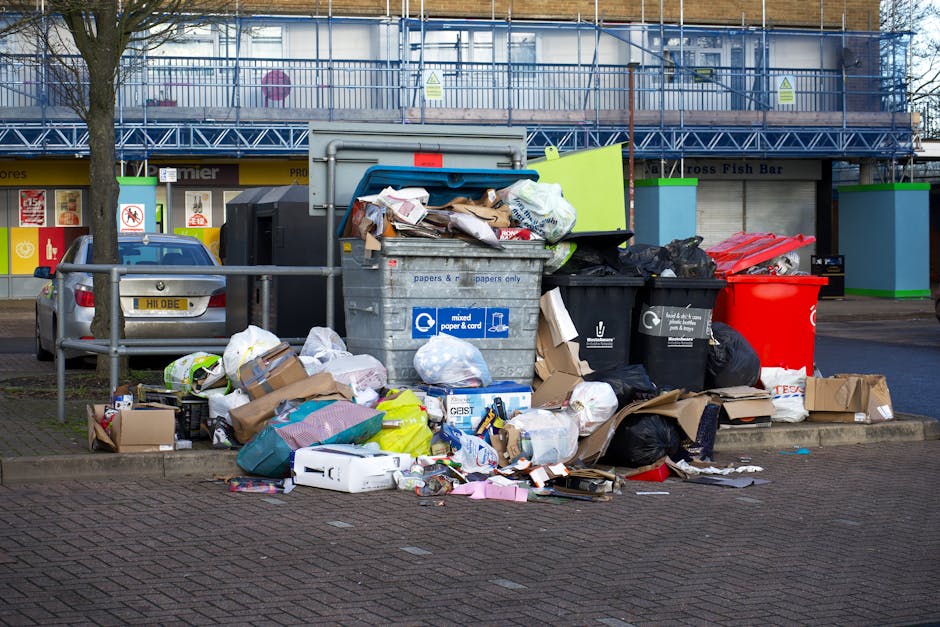
If you live on or near Clapham Road, rubbish can build up faster than you expect. A broken wardrobe lands in the hall, a loft fills with old boxes, a garden corner turns into a small jungle, and suddenly the whole place feels cluttered. This Stockwell rubbish removal guide for Clapham Road homes is here to make the process clearer, calmer, and much less of a faff.
Whether you are clearing a flat, sorting out after a move, dealing with builder's debris, or just trying to reclaim a room, the aim is simple: help you choose the right removal option, avoid common mistakes, and get the job done safely. You will also find practical advice on pricing, compliance, and what to expect from a professional service in a busy London setting.
To make this easier to scan, here is a quick guide to what we'll cover.
- Why it matters for Clapham Road homes
- How rubbish removal works
- Benefits and practical advantages
- Who this is for
- Step-by-step guidance
- Expert tips for better results
- Common mistakes to avoid
- Tools and resources
- Law, compliance, and best practice
- Options and comparison table
- Real-world example
- Practical checklist
- Conclusion
- Frequently asked questions
Why Stockwell rubbish removal guide for Clapham Road homes Matters
Clapham Road is one of those stretches where homes can be a mix of flats, conversions, maisonettes, and compact family spaces. That variety matters because rubbish removal is never one-size-fits-all. A top-floor flat with a narrow stairwell needs a different approach from a ground-floor home with rear access. A loft clearance is a different job again. Simple enough, but easy to underestimate.
It also matters because clutter affects more than appearance. A corridor stacked with old furniture makes everyday movement awkward. A damp-scented pile of forgotten items in a garage can make the whole property feel neglected. And in rental homes, waste build-up can slow down end-of-tenancy preparation or make viewing days feel chaotic. Let's face it, nobody wants to show a property with a pile of old mattresses in the corner.
There is also the local reality. On residential streets, timing, access, neighbours, noise, and parking all play a part. If a removal team cannot load efficiently, you may end up with longer disruption than expected. So the right plan is not just about getting rid of waste. It is about doing it neatly, quickly, and without causing a scene outside the building at 8 a.m.
Key takeaway: the best rubbish removal approach for Clapham Road homes is the one that fits your access, waste type, time frame, and tolerance for disruption.
How Stockwell rubbish removal guide for Clapham Road homes Works
At a practical level, rubbish removal usually follows a straightforward pattern: identify the waste, estimate the volume, decide how urgently it needs clearing, and choose the service that suits the property. That sounds tidy on paper. In real life, there is usually one awkward item in the middle that changes everything. A fridge that won't fit through the door. A sofa with hidden water damage. A bag of mixed waste that turns out to include something specialist. You know how it goes.
For most homes in the area, the process starts with a quick review of what needs removing. That may include household junk, old furniture, garden waste, appliance disposal, loft clutter, garage contents, or mixed builder's waste after a small renovation. From there, a reputable provider will normally ask for a rough description, photos, or a list of items so they can plan the right vehicle size and labour.
When people compare rubbish removal with skip hire, the real difference is convenience. A skip sits outside and you fill it yourself. A removal team collects, lifts, loads, and clears away the items for you. For homes with limited space or restricted access, that can be a big advantage. If you want to understand what kinds of items are generally accepted in a skip, the page on what can go in a skip is a useful reference point.
In many cases, the best route is a direct waste collection service rather than a DIY loading job. That is especially true where stair access is tight, the items are bulky, or the waste includes mixed materials that should be sorted carefully. If you are dealing with larger household clearances, the broader house clearance and home clearance services are often more practical than trying to piece together multiple smaller trips.
Key Benefits and Practical Advantages
There are some obvious benefits to professional rubbish removal, but the less obvious ones are often the most valuable.
- It saves time: one visit can do the work that would otherwise take several hours, or even several weekends.
- It reduces lifting risk: bulky items are awkward. A heavy chest of drawers on a stair landing is nobody's friend.
- It keeps shared spaces clearer: especially useful in flats where hallways, entrances, and communal areas need to stay usable.
- It is easier to schedule: you can often plan around moving day, refurbishment, or tenancy deadlines.
- It supports better sorting: reusable items, recyclable materials, and disposal-only waste can be separated more thoughtfully.
There is also the psychological side, which sounds soft until you live with the mess. A cleared room feels bigger. A spare bedroom stops feeling like a storage unit. A hallway stops catching your eye every time you walk through with the washing basket. Small win, big difference.
For household items that are too large or too awkward for ordinary bin collection, specialist services can make life much easier. If you need to get rid of old seating or bedroom items, the dedicated mattress and sofa disposal page and the broader furniture disposal option are especially relevant. For mixed furniture that still has some resale value or can be handled separately, furniture clearance may be the more suitable route.
Who This Is For and When It Makes Sense
This guide is useful if you are a homeowner, tenant, landlord, letting agent, property manager, or anyone helping a family member clear a property near Clapham Road. It is especially relevant when the waste is more than a bin-bag or two and you need a plan that is quick, respectful, and reasonably tidy.
Common situations include:
- moving out and needing a full clear before handover
- decluttering after years of storage buildup
- clearing a loft, garage, or basement
- refreshing a rental flat between tenancies
- disposing of old furniture after delivery of new items
- handling light renovation or builder's debris
- clearing garden waste after trimming, pruning, or a landscaping job
If the waste is linked to a refurbishment, the builders waste clearance service can be a better match than general rubbish removal. If it is a garden job, the garden clearance option makes more sense. And if you are staring at a loft that has become a museum of old boxes, broken luggage, and unused exercise equipment, the loft clearance page speaks directly to that kind of headache.
There is no shame in needing help, by the way. People often wait far too long, then try to do it all in one afternoon with a couple of bin liners and a borrowed trolley. Brave? Yes. Efficient? Not really.
Step-by-Step Guidance
Here is a practical way to approach rubbish removal without making it more complicated than it needs to be.
1. Walk through the property slowly
Do a room-by-room check. Look in corners, under stairs, behind doors, and in storage spaces. The forgotten items are usually the real problem. A quick scan is not enough. Take your time.
2. Sort the waste into broad groups
Keep it simple:
- general household rubbish
- furniture
- appliances
- garden waste
- builder's debris
- items that may need special handling
This first sort helps avoid confusion later and can make quoting much easier.
3. Flag awkward or specialist items early
Fridges, freezers, TVs, paint, chemicals, batteries, and anything potentially hazardous should never be treated like ordinary junk. If a bin bag contains a mixture of dry waste and something spill-prone, separate it before collection day. For appliance-specific jobs, the fridge and appliance removal service is the right kind of specialist support.
4. Measure access, not just volume
People often focus on how much rubbish they have, but access matters just as much. Can a van stop nearby? Are there stairs? Is the lift usable? Is parking tight? A compact flat on Clapham Road with a narrow stairwell needs a different plan from a house with a front drive. This is where a bit of honesty saves time later.
5. Ask for pricing that reflects the real job
Good pricing is based on the type of waste, amount of labour, ease of access, and how much sorting is needed. If a provider offers an estimate, make sure it reflects everything you have shown them. Hidden add-ons are annoying. Nobody likes those. If you want a clearer sense of how quotations are handled, the pricing and quotes page is a sensible place to start.
6. Confirm the collection window
In busy residential streets, timing matters. A short, well-managed collection is usually less disruptive than a long, drawn-out loading process. If there are neighbours close by, it is polite to choose a time that avoids early morning noise where possible.
7. Clear the route before the team arrives
Move fragile items, open doors, and make sure the route from the waste to the exit is safe. It sounds obvious, but in practice it can save a lot of back-and-forth. A clear path is faster and safer. Simple, but worth saying.
8. Check what happens after collection
Responsible waste handling should include sorting, recycling where possible, and proper disposal of non-recyclable material. If sustainability matters to you, look at the provider's approach to recycling and sustainability. It helps set expectations properly.
Expert Tips for Better Results
After a lot of clearances, a few patterns show up again and again. Here are the ones that save the most trouble.
- Take photos before booking: one picture of each room is often more helpful than a long description.
- Separate metal, wood, and mixed waste where you can: it speeds up sorting on the day.
- Keep one "do not remove" area: this is especially useful in shared homes and rentals.
- Book before the final mess peaks: if you are moving, try not to leave waste removal until the very last evening.
- Be realistic about stairs and doors: a bulky wardrobe can become a three-person problem in seconds.
One practical tip from experience: if you are clearing a flat, leave yourself ten minutes to do a final sweep. It is surprising how often a key drawer, charger, or envelope gets left in among the clutter. Not glamorous, but useful.
Another good habit is to ask how fragile, valuable, or sensitive items will be handled. That matters for documents too. If your clear-out includes old paperwork, the confidential shredding service may be worth considering before anything goes out with the rest of the waste.
Common Mistakes to Avoid
Most rubbish removal problems come from rushing. Here are the big ones.
- Underestimating volume: that pile in the corner usually grows when you start moving things.
- Mixing hazardous and general waste: this can create safety issues and delay collection.
- Ignoring access restrictions: parking, stairs, locked gates, and lift limits all affect the job.
- Booking the wrong service: a furniture job is not the same as a garden clear or builders' waste job.
- Leaving everything until the last minute: this increases stress and often costs you more in time.
- Forgetting about fragile shared areas: hallways, lifts, and stairwells need to be protected.
There is also a subtle mistake people make: treating everything as "just rubbish." In reality, some items can be reused, some can be recycled, and some need special handling. The more accurately you sort, the smoother the day becomes. It really does make a difference.
Tools, Resources and Recommendations
You do not need much equipment for a clear-out, but the right basics help a lot.
- Heavy-duty bags: for loose, dry waste and light mixed items
- Gloves: useful for loft dust, garden waste, and sharp edges
- Mask or dust protection: sensible in lofts, garages, and older storage areas
- Tape and labels: to mark keep, donate, and remove piles
- Phone camera: for photos, quotes, and documenting items before they go
- Basic measuring tape: helpful for checking whether large furniture will fit through exits
For people who are comparing removal options, it helps to understand the service categories available. A full-property job may fit house clearance or home clearance. Smaller, contained jobs may be better suited to garage clearance or flat clearance. If the items are mainly old seating, mattress and sofa disposal is the better match.
One more small but useful recommendation: if you are dealing with bulky items that may also be reusable, check the item condition before booking disposal. Sometimes a sofa is too worn to keep but still needs a careful plan because of its size and shape. That is where choosing the right category matters more than people expect.
Law, Compliance, Standards, or Best Practice
Waste removal in the UK is not just a practical task; it also carries responsibilities. You do not need to become a compliance expert, but a little awareness helps avoid expensive mistakes. In general, householders should make sure waste is handed to a legitimate collector and disposed of properly. If a service looks unclear about what happens to the waste, that is a yellow flag, at least.
For homes near Clapham Road, the main best-practice points are straightforward:
- do not leave waste where it blocks pavements, entrances, or communal areas
- separate hazardous items from ordinary household rubbish
- keep a record of what was removed if you are a landlord, agent, or property manager
- use appropriate handling for electricals, fridges, and items with fluids or sharp parts
- check that the provider explains sorting, recycling, and disposal clearly
If your project includes renovation debris, protect common areas and avoid spreading dust through the building. A bit of cardboard, corner protection, and good route planning goes a long way. Not flashy, but it's the sensible thing.
Where health and safety is concerned, it also helps to look at how a provider approaches training, manual handling, and risk reduction. Pages such as health and safety policy, insurance and safety, and payment and security can give you a clearer sense of professionalism before you commit.
Options, Methods, or Comparison Table
Different waste problems need different solutions. Here is a simple comparison to help you decide.
| Option | Best for | Strengths | Limitations |
|---|---|---|---|
| Professional rubbish removal | Mixed household waste, furniture, bulky items, fast clear-outs | Fast, labour included, good for awkward access | Depends on accurate description and access details |
| Skip hire | Ongoing DIY work, larger renovation waste, self-loading jobs | Useful for repeated loading over time | Needs space, permit considerations, and self-loading effort |
| Specialist item removal | Appliances, mattresses, sofas, hazardous items | Better handling for item type, reduced risk | Less suitable for broad mixed clearances |
| Full property clearance | Moves, probate, end-of-tenancy, major decluttering | Most comprehensive, fewer moving parts for the client | May be more than you need for a small job |
If you are unsure which route fits best, start with the nature of the waste rather than the size of the pile. That sounds slightly backwards, but it works. A small number of awkward items can be more complex than a bigger pile of easy material.
For people who want to book directly once they know what they need, the book online option can be a useful next step. If you are still comparing, the service overview at waste removal is a good starting point.
Case Study or Real-World Example
Imagine a two-bedroom flat near Clapham Road. The tenants are moving out on a Friday, the landlord wants the property ready for cleaning on Saturday morning, and the flat contains a broken bed base, two wardrobes, a mattress, several bags of mixed clutter, and a fridge that no longer works. There is also a narrow stairwell and no lift. Classic.
In that situation, a sensible approach would be:
- photograph the waste and note the access constraints
- separate the fridge from the general waste
- check whether the mattress and furniture need specialised handling
- book a collection window that avoids peak foot traffic where possible
- clear hallways before the team arrives
What usually happens next? The collection goes much more smoothly than expected because the difficult part was sorted in advance. The team can load efficiently, the stairwell stays protected, and the flat is ready for cleaning without a last-minute panic. Nothing dramatic. Just a better day for everyone involved.
That is the real value of a good rubbish removal plan: it removes friction before the actual removal begins.
Practical Checklist
Use this quick checklist before your collection day.
- Walk through every room, cupboard, loft, garage, and storage corner
- Separate general waste, furniture, appliances, and special items
- Identify anything hazardous or fragile
- Take photos of the waste and access points
- Measure large items if doorway clearance may be tight
- Confirm parking, lift access, or stair details
- Clear routes through shared hallways and entrances
- Set aside anything you want to keep or donate
- Check whether documents need confidential shredding
- Review the pricing and service terms before booking
- Choose the right service type for the job
Quick reminder: the cleaner the handover, the faster the collection. A few minutes of prep can save a lot of hassle later.
Conclusion
Rubbish removal for Clapham Road homes is really about three things: access, sorting, and choosing the right service. Get those right and the rest becomes much easier. Get them wrong and even a small job can turn into a long, awkward afternoon with bags by the door and everyone slightly fed up.
The good news is that most clear-outs are manageable with a clear plan. Start by separating the waste, be honest about what is awkward or specialist, and choose a service that fits the property rather than forcing the property to fit the service. That is the cleanest way to avoid delays and stress. A little thought upfront goes a long way, honestly.
If you are ready to take the next step, compare your items, review your access, and choose the service that matches the job. Then move on with your day and enjoy the space you have just created. It is a small thing, maybe, but a calmer home really does change how a week feels.
Get a free quote today and see how much you can save.
Frequently Asked Questions
What is the best rubbish removal option for a Clapham Road flat?
For most flats, a labour-included rubbish removal service is the easiest choice because access is often tighter and you may need items carried down stairs. If the job is mainly a full clear-out, flat-focused clearance is usually more practical than trying to manage it yourself.
How do I know whether I need furniture disposal or general rubbish removal?
If your main items are sofas, beds, tables, wardrobes, or similar bulky pieces, furniture disposal or furniture clearance is usually the better fit. If the waste is mixed and includes bags, loose items, and small clutter, general waste removal may be enough.
Can appliance removal handle fridges and freezers safely?
Yes, but only if the service is set up for appliance removal. Fridges and freezers need proper handling because they are heavy, awkward, and may contain components that should not be treated like ordinary rubbish.
Is skip hire better than rubbish removal for homes on Clapham Road?
It depends on the job. Skip hire is useful if you are doing ongoing DIY work and can load the waste yourself. Rubbish removal is often better for flats, bulky furniture, or jobs where access and labour matter more than storage time.
What should I do with old mattresses?
Old mattresses are best handled through a specialist mattress disposal service. They are awkward to move, and they are not ideal to mix with ordinary bagged waste.
Can I put building waste into a household clear-out?
Sometimes, but it is better to separate builders' debris from household rubbish if you can. Brick, plaster, timber offcuts, and renovation rubble are usually easier to manage under a builders waste clearance arrangement.
Do I need to sort everything before the team arrives?
Not perfectly, but some basic sorting helps a lot. If you can separate furniture, appliances, general rubbish, and hazardous items, the collection is usually faster and cleaner.
How far in advance should I book rubbish removal?
As soon as you know the scope of the job. For moves or tenancy deadlines, booking early is sensible because access windows and collection times can fill quickly. Last-minute bookings are possible in some cases, but early planning reduces stress.
What happens to the waste after collection?
That depends on the provider and the type of waste. A good service should sort items for reuse, recycling, and disposal where appropriate. If sustainability matters to you, it is worth checking the provider's recycling and sustainability approach.
Can confidential papers be removed with general rubbish?
They should not be treated casually. If you have personal records, old client files, or sensitive paperwork, confidential shredding is the safer option before disposal.
What if I have hazardous waste?
Hazardous items need specialist handling and should not be mixed with standard household rubbish. If you are unsure whether something counts as hazardous, keep it separate and ask before booking.
How do I choose a trustworthy waste removal company?
Look for clear pricing, sensible safety information, useful service pages, and straightforward answers to your questions. A trustworthy provider should explain how waste is handled, what happens with different item types, and how the collection will work in your property.
Can rubbish removal help with a full home declutter?
Absolutely. In many homes, a full declutter is easier when the heavy or bulky items are removed first. That creates space for sorting the smaller things without the room feeling cramped.
What is the main mistake people make with rubbish removal?
The biggest mistake is underestimating access and item type. A job that looks small on the floorplan can become complicated if there are stairs, tight turns, a heavy item, or specialist waste mixed in. A little planning prevents most of the pain.